Barbie with Autism
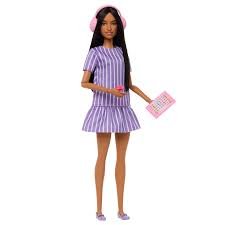
Source: Mattel
If you read any of my work, you know I'm a big fan of Brand Barbie. Not because of the movie a few years back or because of any one cultural moment. But because Barbie is one of a few brands that consistently reflects and shapes our culture. Unapologetically. Boldly. Creatively. Accurately.
This week, Barbie released its first doll with autism as part of its Fashionistas line, developed in partnership with the Autistic Self Advocacy Network. The brand paid attention, once again, to the details: the eye gaze, articulated elbows and wrists, loose clothing, noise cancelling headphones, a tablet with specialized apps. All designed to represent how individuals with autism experience, process, and communicate with the world.
To be honest, Barbie consistently hits me harder than most brand moves do.
As a gay dad, my family wasn't represented when my kids were young. We didn't see ourselves reflected in culture so we were very much alone. I watched my kids grow up wondering if they'd ever see a family like ours reflected back at them. I understand isolation.
And I watched some of my friends experience the very same thing, except their children faced the difficulties of autism, or type one diabetes, or physical disabilities. Their kids looked around and didn't see themselves anywhere. Isolation.
That invisibility teaches children something dangerous: you don't belong here.
Barbie understands representation’s real power … it helps to eliminate isolation. The Fashionistas line has been doing this work consistently for years. Various body types. Skin tones, eye colors, and hair types. Down syndrome. Type one diabetes. Prosthetic limbs. Hearing aids.
Each doll sends a message to a child: you are normal. You are worthy of play. You are worthy of imagination. You belong in the world as you are.
That's not marketing. That's culture change. That eliminates isolation.
As a marketer, I'm grateful to Barbie for understanding the impact a brand can make on the world. But I'm more grateful to Barbie as a dad who knows what it means to finally see real people and their challenges reflected back into culture.
To finally have your child say, "That's someone like me."
Thank you, Barbie. You understand exactly how important this is.
What's your experience? JIM