“A Charlie Brown Christmas” Turns 60 - What Can We Learn? #FeelingFriday
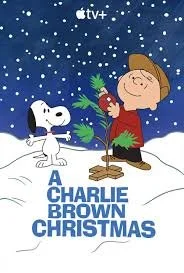
Source: IMDb
Sixty years! That's how long "A Charlie Brown Christmas" has been broadcasting, and somehow, impossibly, it still works.
Every December, it airs. Every year since I was a little kid I watch, we still watch. Not because we're nostalgic or because it's tradition (well, maybe a little!). We watch because it says something true about who we are, and it doesn't apologize for the sadness underneath.
"A Charlie Brown Christmas" came out in 1965 as an act of defiance. At the time, television programming was obsessed with perfect, aspirational messaging. Charles Schulz, through Lee Mendelson and Bill Melendez, decided to make a holiday television special about a depressed kid who picks a scraggly, dying tree that everyone else rejects.
The villain isn't a monster. It's commercialism. The pressure to be bigger, shinier, and more expensive along with the never-ending message that you're simply not enough.
Resonates?
The show doesn’t soften any of it. Lucy isn't misunderstood or sympathetic. She's a bully who yanks the football away because it amuses her. That's simply who she is. Schulz didn't explain her or redeem her. He just showed us what cruelty looks like.
Most children's programming today would want to fix that. But Schulz understood something: audiences don't need softened versions of reality. They need honest ones.
Resonates?
Perhaps this is why this show keeps working …
Imperfection is not a flaw; it's the foundation. Charlie Brown's tree doesn't need evolution. It needs to stay broken. That's where the humanity lives. People (and brands btw) spend so much time trying to smooth away their rough edges and present flawless versions of themselves (have you been on social media?!?). But the flaws are what make us real. And real is what endures us.
Your values matter even more over time. Schulz could have made everything brighter, faster, and more entertaining. Instead, he stuck to what he believed: loneliness, failure, and vulnerability deserve to be honored, not erased.
Craftsmanship wins. This special wasn't designed by an algorithm. It was made by artists who cared deeply about getting it right. You can still feel that intention 60 years later.
Don't fix what works. They haven't updated “A Charlie Brown Christmas” with CGI or modernized it with current references. They've left it alone. Such restraint, and it is everything.
Audiences don't need another perfectly polished message. They need something true. Something that reflects their actual lives: the struggles, the small moments that feel big, and the broken trees we can embrace.
“A Charlie Brown Christmas” has lasted 60 years because it was made by people who cared about craft and truth more than being popular, yet in the end they became beloved.
There's a lesson there. For all of us.
What’s your experience? JIM